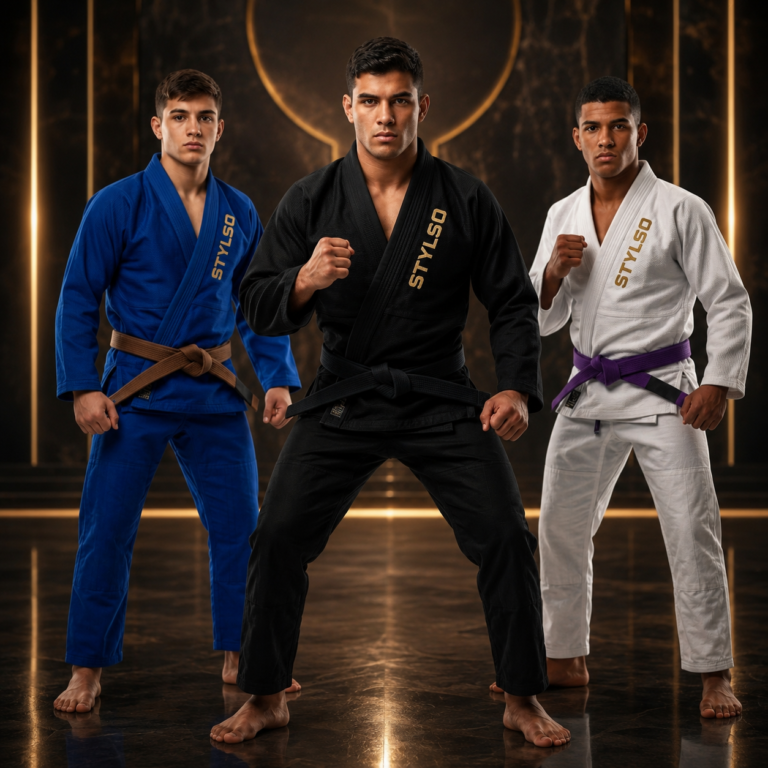
Your first week at the gym and someone says, “come to the no-gi class Saturday.” You freeze. Is that different gear? Different rules? Do you need a gi? It trips up almost every beginner — and the answer matters before you buy anything.
BJJ gi training uses a thick cotton uniform — jacket, pants, belt — where collar and sleeve grips are legal. Submission wrestling (no-gi) strips that away: rashguard and shorts, no jacket grips, faster scrambles. Both teach you to submit your opponent, but the gear, pace, and rule sets are different enough that picking one first changes what you buy and how you progress.
Key Takeaways
- Gi training is slower and more technical — better for building fundamentals first.
- Submission wrestling is faster with different grip-fighting — add it after 6–12 months.
- You need different gear for each: a gi for one, a rashguard and shorts for the other.
What Makes Them Different
In a gi class, your training partner can grab your collar, your sleeve, your belt. That changes everything. Techniques slow down. Guard retention feels more like a chess match. Your grip strength gets wrecked in the best way possible.
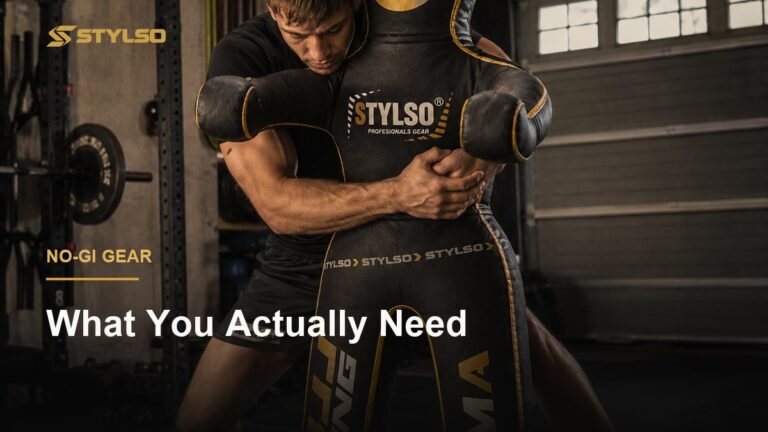
Strip the jacket away and the whole game shifts. No collar, no sleeve — you’re fighting for underhooks, wrist control, and body locks. The pace picks up. Takedowns become crucial. And when your arms are sweaty, finishing that arm bar gets a lot harder. It’s the same submission goal, different chess set.
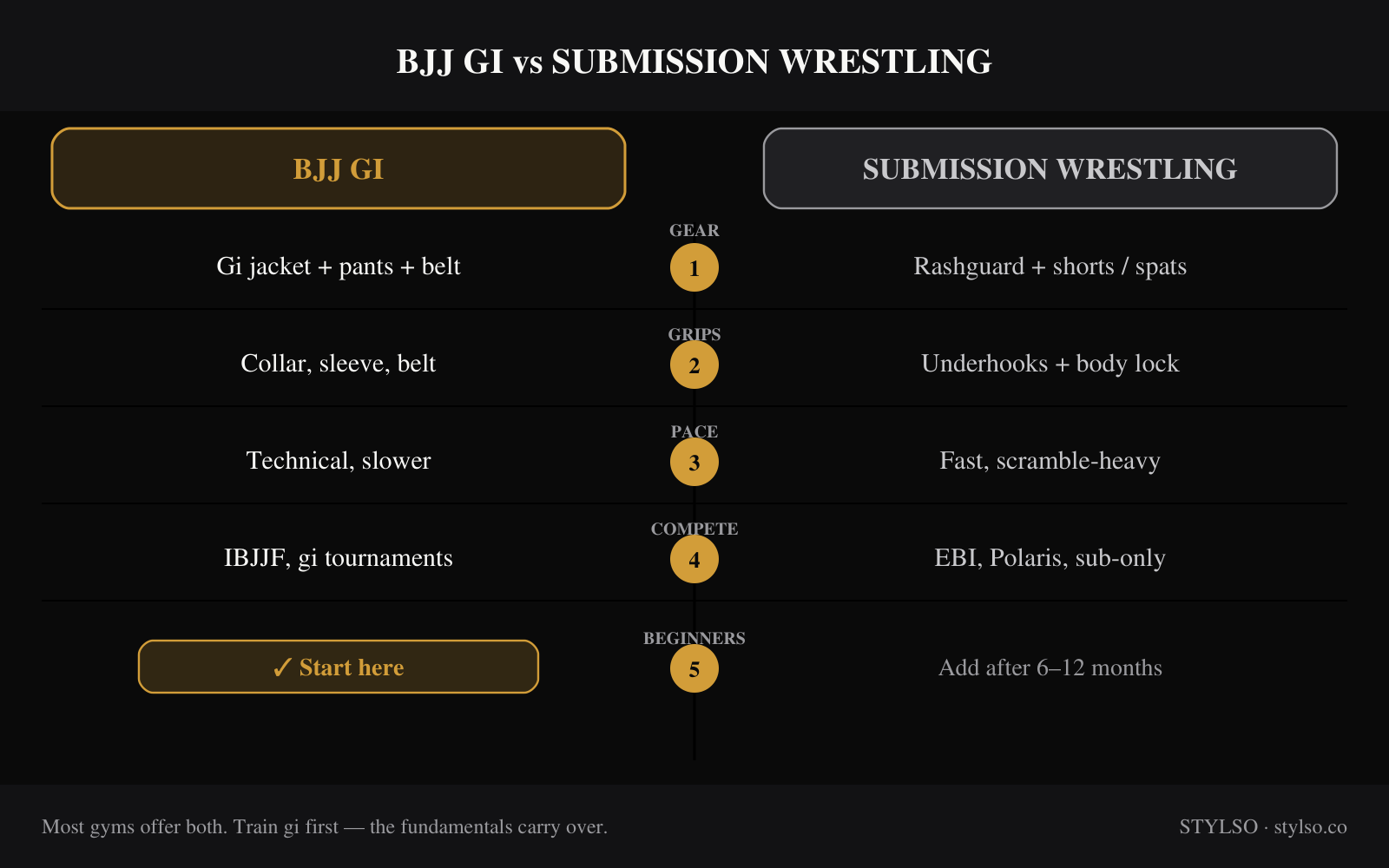
Side-by-Side: BJJ Gi vs Submission Wrestling
| BJJ Gi | Submission Wrestling | |
|---|---|---|
| Gear | Gi jacket + pants + belt | Rashguard + shorts (spats optional) |
| Legal Grips | Collar, sleeve, belt, jacket hem | Underhooks, body lock, wrist control |
| Pace | Technical, slower | Fast, scramble-heavy |
| Compete In | IBJJF, local gi tournaments | EBI, Polaris, submission-only events |
| Learning Curve | Structured, defined positions | Faster-paced, harder to slow down |
| Best Starting Point? | ✓ Yes — start here | After 6–12 months of gi training |
The Gear You Actually Need
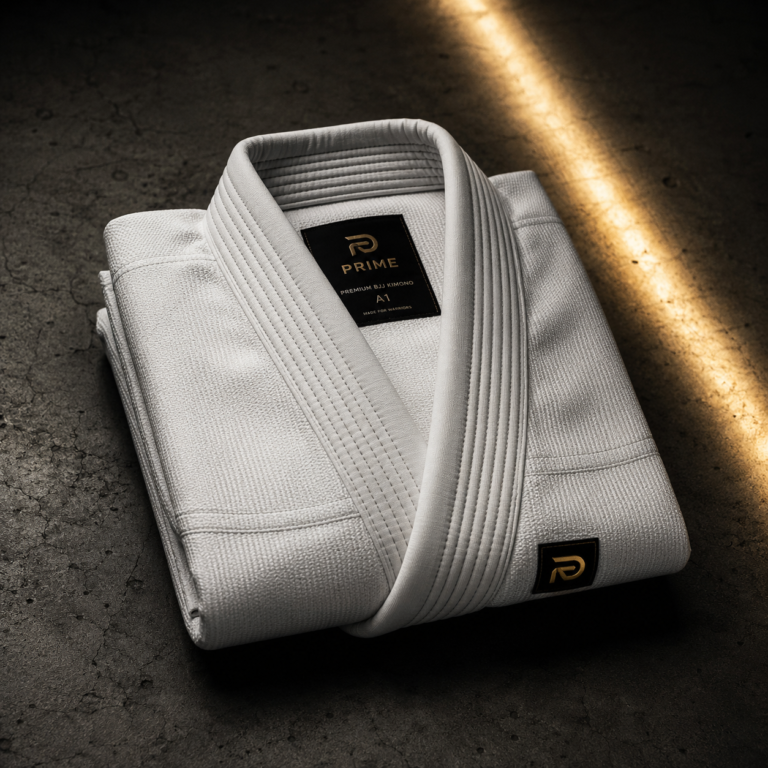
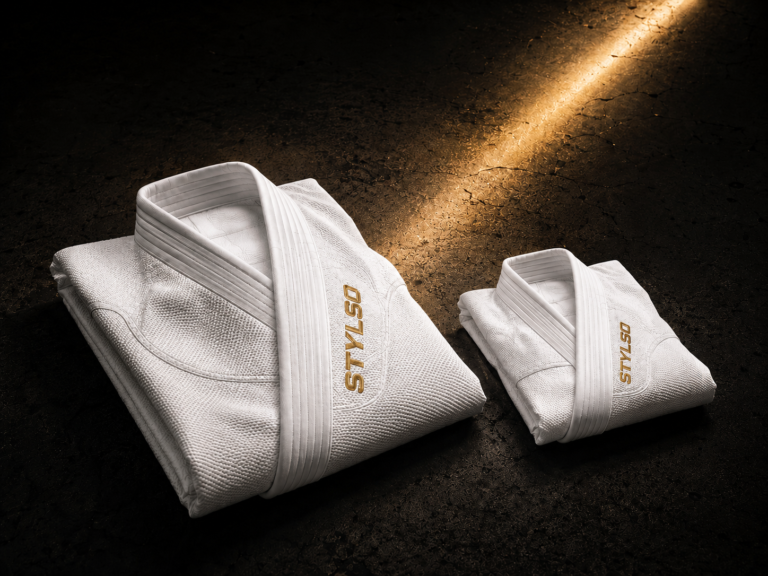
Gi path: You need a BJJ gi. Pearl weave is the best choice for beginners — it’s tough, comfortable, and won’t add much weight on a hot day. You want the right A-size before you buy; a gi that’s too baggy gets you choked with your own lapel. The Stylso A2 vs A3 guide has you covered if you’re between sizes.
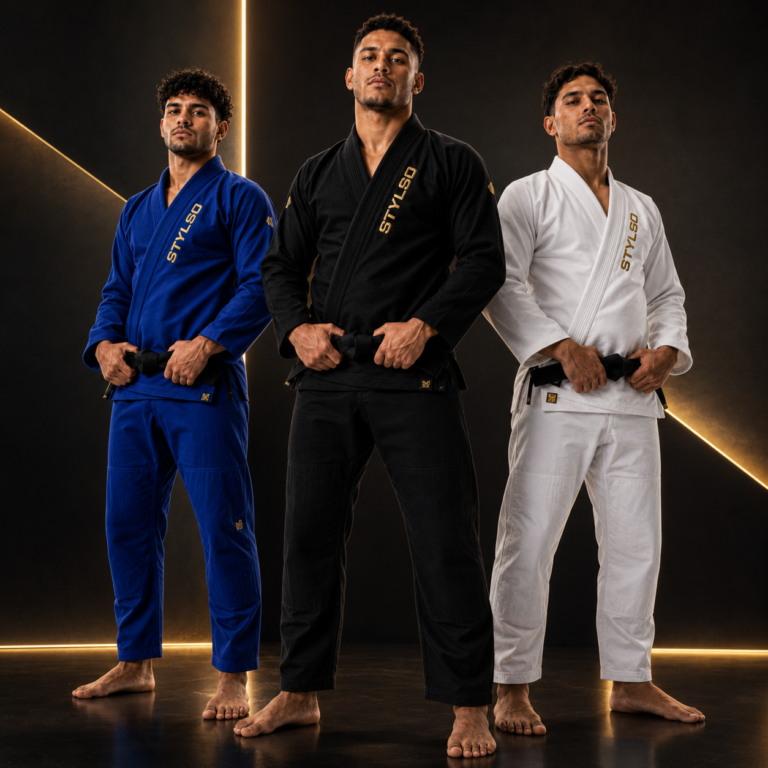
The Stylso gi is pearl weave, pre-shrunk, and IBJJF-approved. Check current availability on Amazon below.
No-gi / submission wrestling path: A compression rashguard and fight shorts are all you need. You can technically roll in board shorts, but a rashguard protects your skin from mat friction and keeps your training partner’s grips honest. Check our BJJ rashguard guide for honest picks at every level.
If your gym offers both: Get the gi first. It’s a bigger investment upfront, but the fundamentals you build — guard retention, guard passing, positional awareness — carry straight into no-gi once you add it.
What Wrestlers Know That BJJ Players Often Miss
Here’s the part nobody tells you: when you first try submission wrestling after training only in the gi, the takedown game smacks you hard. In the gi, pulling guard is fine — you sit, your partner stands, and you play your guard. In submission wrestling competition, pulling guard often resets the action or costs you. Takedowns matter.
That’s where wrestling pressure changes everything. A basic single-leg, a level change, a duck under — these aren’t flashy, but they win matches. Wrestlers drive their chest through contact. Pressure first, technique second. When you bring that habit into the gi, you stop waiting for grips and start making your opponent move. Better at both formats.
Try this drill today. It takes 60 seconds: from a square stance, drop your level (hips drop, back straight), drive your lead knee forward, then sprawl back to standing. Do 10 reps. That’s the skeleton of a wrestling level-change — it fires the hip hinge and gets your legs used to the explosive drop. Feels awkward the first time. By rep 30, it’s muscle memory.
Common Mistakes to Skip
- Showing up to a no-gi class in a gi jacket. Check the schedule. “No-gi” and “submission” sessions don’t use the jacket. A rashguard or a compression shirt is what you need.
- Starting in submission wrestling with zero experience. The pace is faster, the positions less defined. Most coaches agree: build your base in the gi. Add no-gi once your guard and passing make sense.
- Buying a gi the wrong size. A2 fits most average-height adults, but body type matters. If you’re taller or broader, you’re probably an A3. Don’t skip the size comparison — a poor fit is a hazard on the mat.
- Thinking you need to pick one forever. Most serious grapplers train both. The gi builds grips and fundamentals; no-gi builds scrambles and athleticism. You don’t choose — you add.
Free Guide: BJJ Training Path Checklist
Free: BJJ Training Style Chooser Checklist
A one-page printable — gi vs no-gi decision framework, gear list for each path, and the 3 drills to drill first. Get it instantly.
FAQ
- Can I train both gi and no-gi at the same gym?
- Most BJJ gyms offer both. A lot of grapplers train gi three times a week and add one no-gi session once they’re comfortable. It’s the norm, not the exception.
- Is submission wrestling easier than gi BJJ?
- Different, not easier. The grip-fighting is simpler — no lapels to fight through — but the scrambles are faster and the takedown game is harder. It evens out.
- Do I need a gi to compete in submission wrestling events?
- No. Submission wrestling competitions use rashguards and shorts. If you want to enter an IBJJF gi event, your gi needs to meet their specs (color, weave weight, no tears).
- What gi should I buy as a beginner who might also do no-gi?
- Pearl weave, pre-shrunk, correct A-size. The Stylso gi hits all three. Check the current price on Amazon — it’s available in white and other colourways.
- Is submission wrestling safe for total beginners?
- It’s as safe as gi BJJ in a well-run gym. The faster pace means some students take more risks in competition — but in a good class with a watchful coach, both formats are safe to start.
- Should I train gi or no-gi if my goal is MMA?
- Both. MMA uses no-gi scrambles, but gi training builds tighter technique and grip strength you keep in the cage. Start in the gi, add no-gi after 6–12 months, and you’ll be ahead of most beginners.