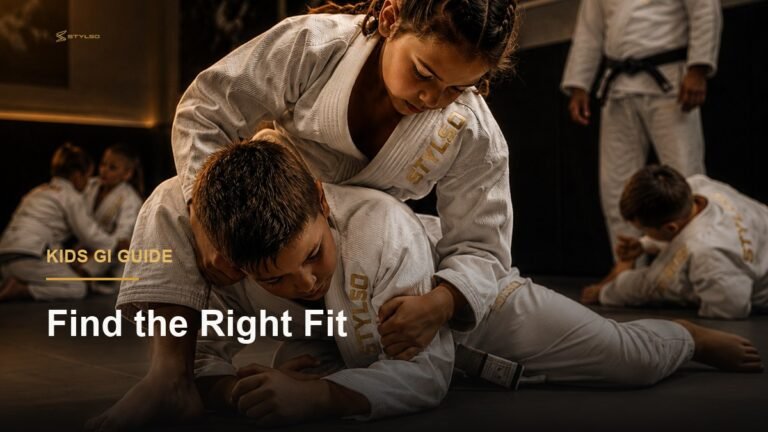
Your kid will warm up with games, learn one or two basic moves with a partner, and finish with very light supervised rolling. Classes run 45–60 minutes. You don’t need a gi on day one — but you’ll want one by the second. Here’s exactly what happens.
What You Need to Know
- Most academies run the same five-phase structure every class
- Day one gear: clean athletic clothes and bare feet are fine
- The biggest surprise? Most kids walk out wanting to come back
You’re standing outside the door with your kid, and they’re pretending not to be nervous. You’re doing the same. Most parents walk in expecting chaos. What they usually find instead: structure, respect, and a coach who’s clearly done this before.
Here’s the part nobody tells you: BJJ for kids isn’t about fighting. It’s about problem-solving under pressure. That shift — from nervous to curious — usually happens somewhere in the first ten minutes.
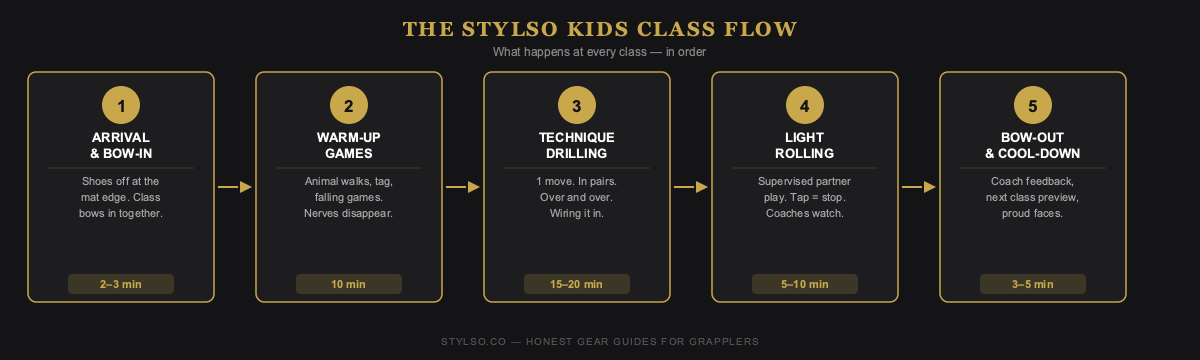
What Happens During a Kids’ BJJ Class (5 Phases)
Most academies, no matter where you are, follow a similar class structure. Once you know it, the first session feels a lot less mysterious.
- Arrival and bow-in (2–3 minutes). Kids take off their shoes at the mat’s edge. The class bows in together — a small ritual that immediately signals to your kid: this place has structure and respect. First-timers can watch or join, no pressure either way.
- Warm-up games (10 minutes). This isn’t laps and push-ups. Most kids’ programs use games: animal walks, tag variants, falling practice dressed up as a relay. The goal is to get small bodies moving before the technical work — and to burn off the nerves. Your kid will probably forget to be anxious here.
- Technique drilling (15–20 minutes). The instructor shows one move — often a basic escape, a grip break, or how to get back to their knees from the ground. Kids then drill it in pairs, over and over. Don’t worry about roughness. The moves taught at this level are designed so a 7-year-old can drill them safely with another 7-year-old, with a coach watching every pair.
- Light rolling (5–10 minutes). This is the supervised play round at the end. It’s not a fight — coaches watch closely and step in immediately if anything gets too intense. Most academies group kids by size, not just age. At the beginner level, it’s closer to “gentle wrestling” than sparring. The key rule your kid needs to know: tapping (patting your partner twice) means stop, always, no questions asked.
- Bow-out and cool-down (3–5 minutes). The class bows out together. Coaches usually give quick feedback — “nice hip escape today, Mia” — and mention what’s on the agenda next session. Watch your kid’s face here. The shift from nervous to proud happens fast.
What to Tell Your Kid Before You Walk In
Gear prep is easy. Mental prep matters more.
Tell them three things on the drive over. First: it’s completely fine to watch the first round instead of joining. Second: tapping — gently patting your partner twice — is how you say “stop” in BJJ. That’s not quitting; that’s the smart, respected thing to do. Third: if anything feels wrong, they go straight to the coach. Not to the wall, not to you at the door. To the coach.
That last one matters most for younger kids. Gyms are loud. Verbal communication in a tangle is hard. Knowing they can always tap or walk to the coach takes a real weight off — and lets them focus on the fun instead of the what-ifs.
What to Bring — Day One vs. Day Two
Day one, keep it simple. By day two, your kid probably wants a gi.
| Item | Day One | Day Two Onward |
|---|---|---|
| Clothing | Athletic shorts + t-shirt | BJJ gi (the uniform) |
| Footwear | Flip-flops to the mat edge, bare feet on the mat | Same rule always |
| Water bottle | ✔ Bring one, full | ✔ Always |
| Rashguard | Optional (under a t-shirt is fine) | Good to have under the gi |
| Mouth guard | Not required yet | Worth adding by week 2–3 |
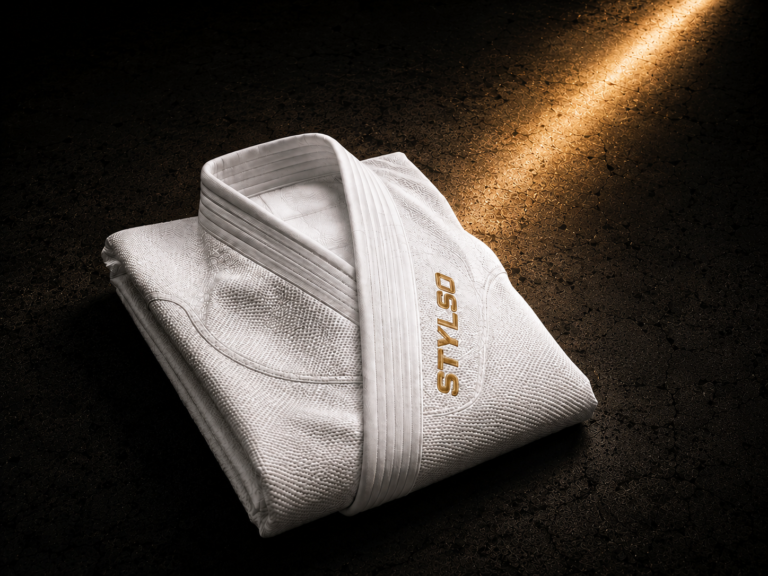
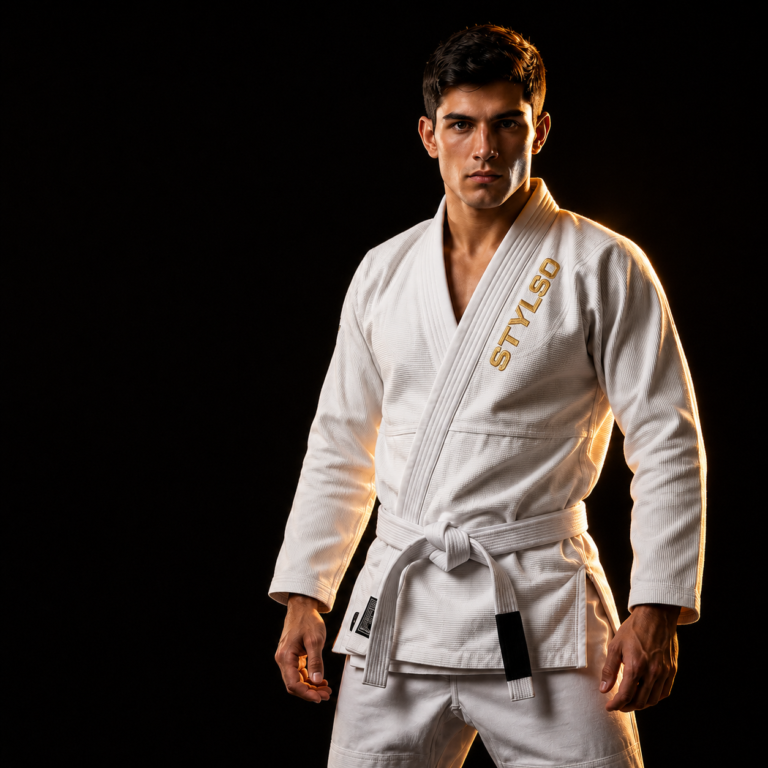
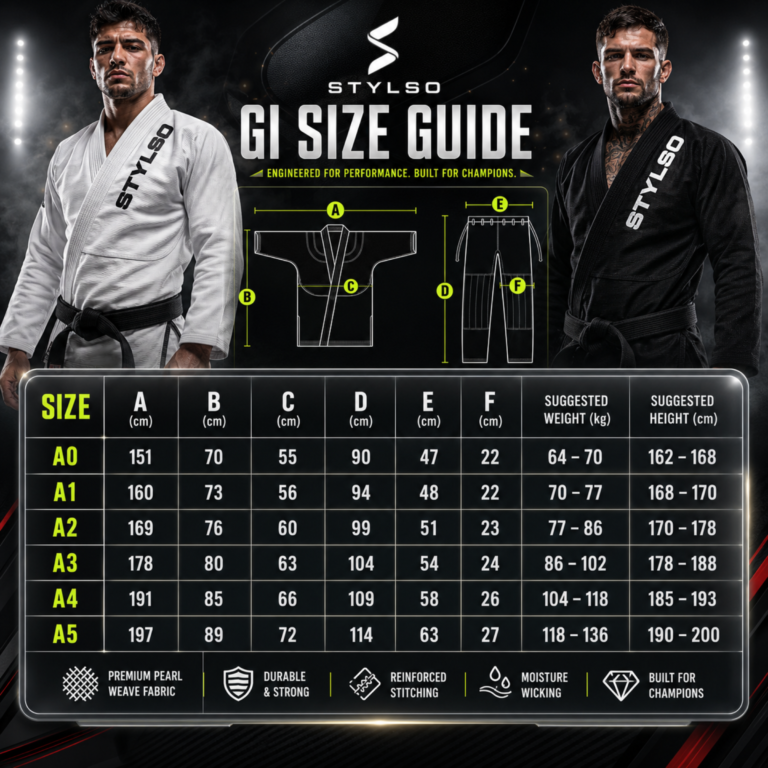
The gi is the one thing that changes how the techniques actually feel. Gripping a collar is different from gripping a t-shirt — and by class two, the academy will probably encourage one. Check our kids BJJ gi size guide before buying — kids’ BJJ sizing runs differently from regular clothing, and a gi that’s too long in the sleeves means constant adjustments mid-drill.
Why They Drill the Same Move 20 Times
It’ll look repetitive from the sideline. The instructor shows one grip escape. Kids drill it. They drill it again. And then they drill it a third time. And you’re wondering: shouldn’t they be learning more moves?
Here’s the thing — this is the same principle that makes judo and wrestling build such physically capable athletes. Judo has a concept called “nagekomi”: throwing a partner repeatedly until the movement becomes reflex. Wrestling coaches call it “drilling to mastery.” It’s not about memorizing a technique. It’s about wiring the body to react without thinking, because that’s the only time a technique actually works when someone’s resisting back.
For kids, this matters more than it does for adults. They’re not building a mental library of 50 moves. They’re developing body awareness, coordination, and the ability to stay calm in a tangle. That takes repetition. One move drilled 200 times is worth more than 20 moves drilled once each.
Good gear helps here too. A gi that fits right means your kid’s collar isn’t falling over their face every other rep. Less friction, more reps. Read our guide to the best BJJ gi for kids for exactly what to look for — including fit, weave, and what the real difference in durability looks like after a few months of training.
Free: Kids’ First Class Checklist (PDF)
A one-page printable: what to bring, what to wear, what to tell your kid before class, and what to ask the coach. Print it before the first session.
Your Kid’s First Gi: What to Look For
Most academies are relaxed about brand and colour until a kid is competing. Three things actually matter at the beginner level:
- Fit first. Check the kids BJJ gi size guide before ordering. Kids’ BJJ sizes don’t match regular clothing sizes — M0 through M4 is the common range, and getting it wrong means a gi that comes untucked every few minutes.
- Pearl weave is fine. Lightweight, durable, holds up to frequent washing. It’s what most beginners start with and what most academies recommend.
- White, black, or blue. All three are IBJJF-legal when the time for competition comes. Any colour works for regular class.
Shop Stylso Kids BJJ Gi on Amazon
For more detail — including what to do if your kid’s between sizes and how kids’ sizing varies by brand — read the BJJ beginners guide for kids. It also covers what to look for in an academy, how belt progression works, and how to set your kid up for a strong first year. And if you’re still deciding on the right age to start, this guide on when to start BJJ breaks it down by stage.
Frequently Asked Questions
- What age is right to start kids’ BJJ?
- Most academies accept kids from age 4–5 upward. The right age really depends on your kid’s readiness to take instruction and follow basic safety rules — not just their physical ability. Our full guide on what age to start BJJ breaks this down by developmental stage.
- Is BJJ safe for kids?
- Yes, at a well-run academy with experienced coaches. Kids’ classes don’t involve striking. Coaches supervise every pair during the rolling phase and intervene quickly. The first skill most academies teach is how to fall safely — which is also one of the most useful things a kid can learn physically.
- Does my kid need a gi for the first class?
- No. Athletic shorts and a t-shirt work fine on day one. If they decide to continue, plan to get a gi before the second or third class. Use our kids gi size guide so you get the fit right on the first try.
- What if my kid wants to quit after the first class?
- It happens. Give it two or three sessions before deciding — the anxiety drop from class one to class three is usually significant. Most kids who get past the first month get genuinely hooked. That said, if the academy feels off to you as a parent, trust that instinct too.
- How long is a typical kids’ BJJ class?
- 45–60 minutes for most programs. Some academies offer 30-minute sessions for the very youngest (under 5). Check with your academy directly — class lengths vary, and some schools run junior and senior kids’ classes at different lengths.
- Will my kid get hurt in a beginners’ class?
- Minor bumps happen. Serious injuries at the beginner kids’ level are uncommon when the academy is well-run and the class-to-coach ratio is reasonable. The most common first-week ouch is learning to fall — but controlled falling practice is exactly what prevents injuries later.